




Landscaping Architecture
- Home
- Our Services
- Landscaping Architecture
Landscaping Architecture
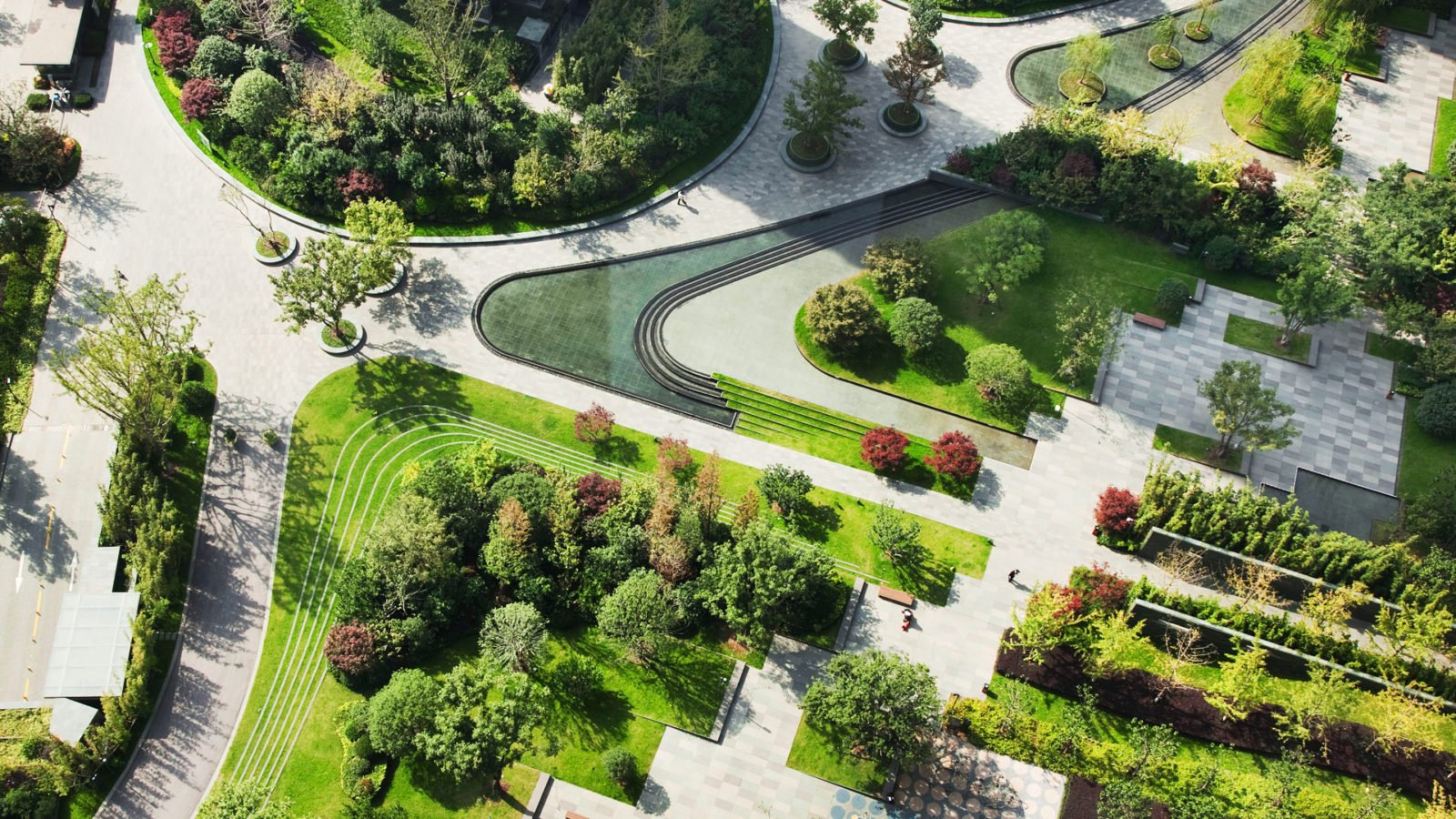
Landscaping architecture design involves the planning, design, and arrangement of outdoor spaces to create functional and aesthetically pleasing environments. It encompasses the design of various elements such as plants, hardscape features, water features, lighting, and other elements to enhance the natural beauty and functionality of a space.
1. Site Analysis: A thorough analysis of the site is conducted, considering factors like topography, soil conditions, climate, existing vegetation, and surrounding architecture. This analysis helps inform the design decisions and ensures the design is suitable for the specific site.
2. Concept Development: Based on the site analysis and client’s preferences, a conceptual design is developed. This includes the layout, spatial organization, and general design direction for the outdoor space. Concepts may include themes, focal points, circulation paths, and zoning of different areas.
3. Plant Selection and Design: The selection of plant species and their arrangement is an essential part of landscaping design. Plants are chosen based on factors like climate suitability, desired aesthetics, maintenance requirements, and the intended function of the space. Plant design includes considerations such as color, texture, height, and seasonal interest.
4. Hardscape Design: Hardscape elements refer to non-living features like walkways, patios, retaining walls, fences, and other built structures. The design of hardscape elements takes into account functionality, aesthetics, durability, and the integration of these elements with the surrounding landscape.
5. Water Features: Incorporating water features such as ponds, fountains, streams, or waterfalls can add a sense of tranquility and visual interest to the landscape. The design of water features involves considerations like water circulation, filtration, safety, and the integration of aquatic plants and wildlife.
6. Lighting Design: Lighting plays a crucial role in enhancing the ambiance and usability of outdoor spaces, particularly in the evenings. Lighting design involves selecting appropriate fixtures, determining lighting levels, and highlighting architectural or landscape features.
7. Sustainability and Environmental Considerations: A focus on sustainability and environmental sensitivity is becoming increasingly important in landscaping design. This includes considerations such as water conservation, use of native or drought-tolerant plants, incorporation of green infrastructure, and eco-friendly materials and practices.
8. Construction Documentation: Detailed construction drawings, plans, and specifications are created to guide the implementation of the design. These documents communicate the design intent to contractors and ensure that the design is implemented correctly.
Landscaping architecture design combines artistic and technical expertise to create outdoor spaces that are visually appealing, functional, and sustainable. It requires an understanding of natural systems, design principles, and the client’s needs to create harmonious and enjoyable environments