


Interior Designing
- Home
- Our Services
- Interior Designing
Interior Designing
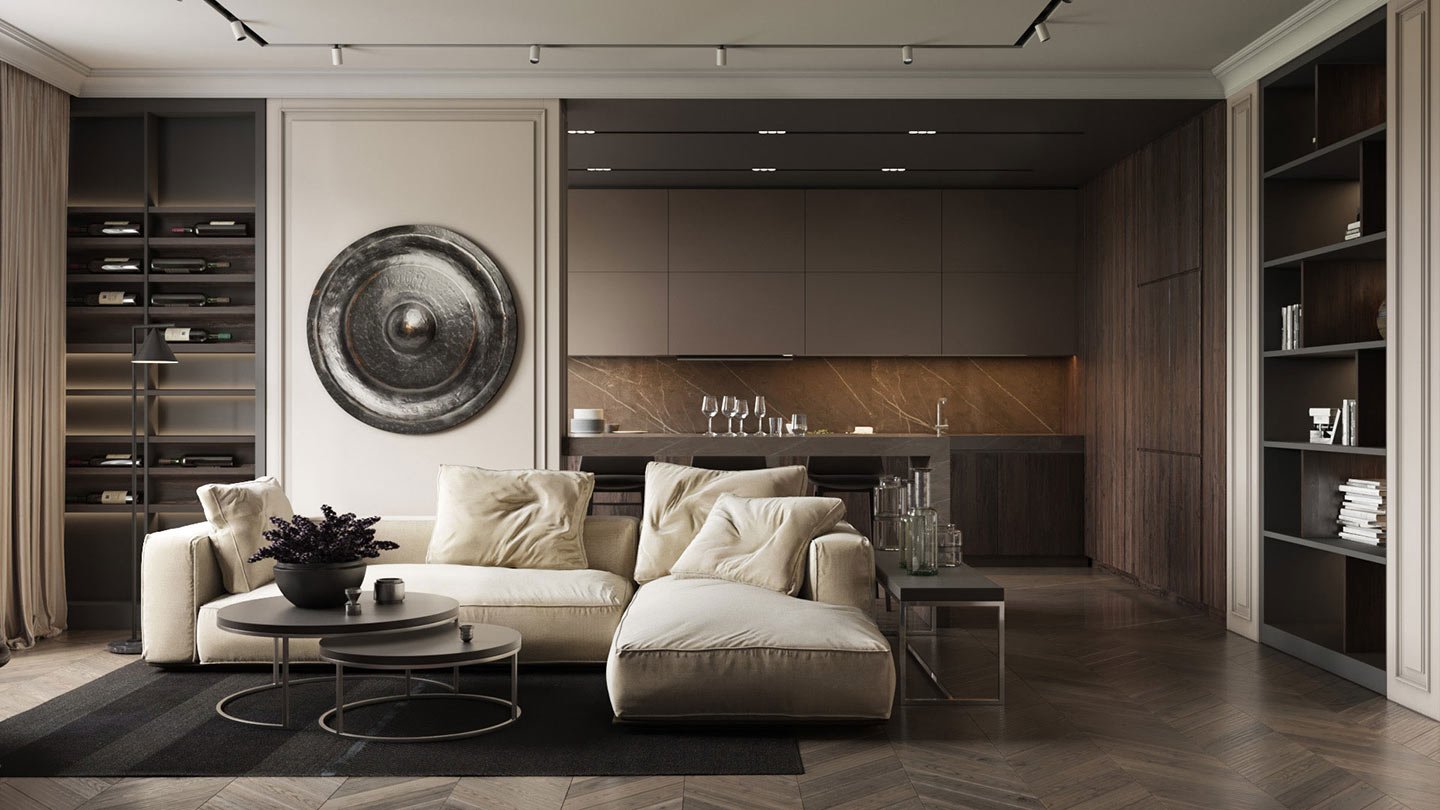
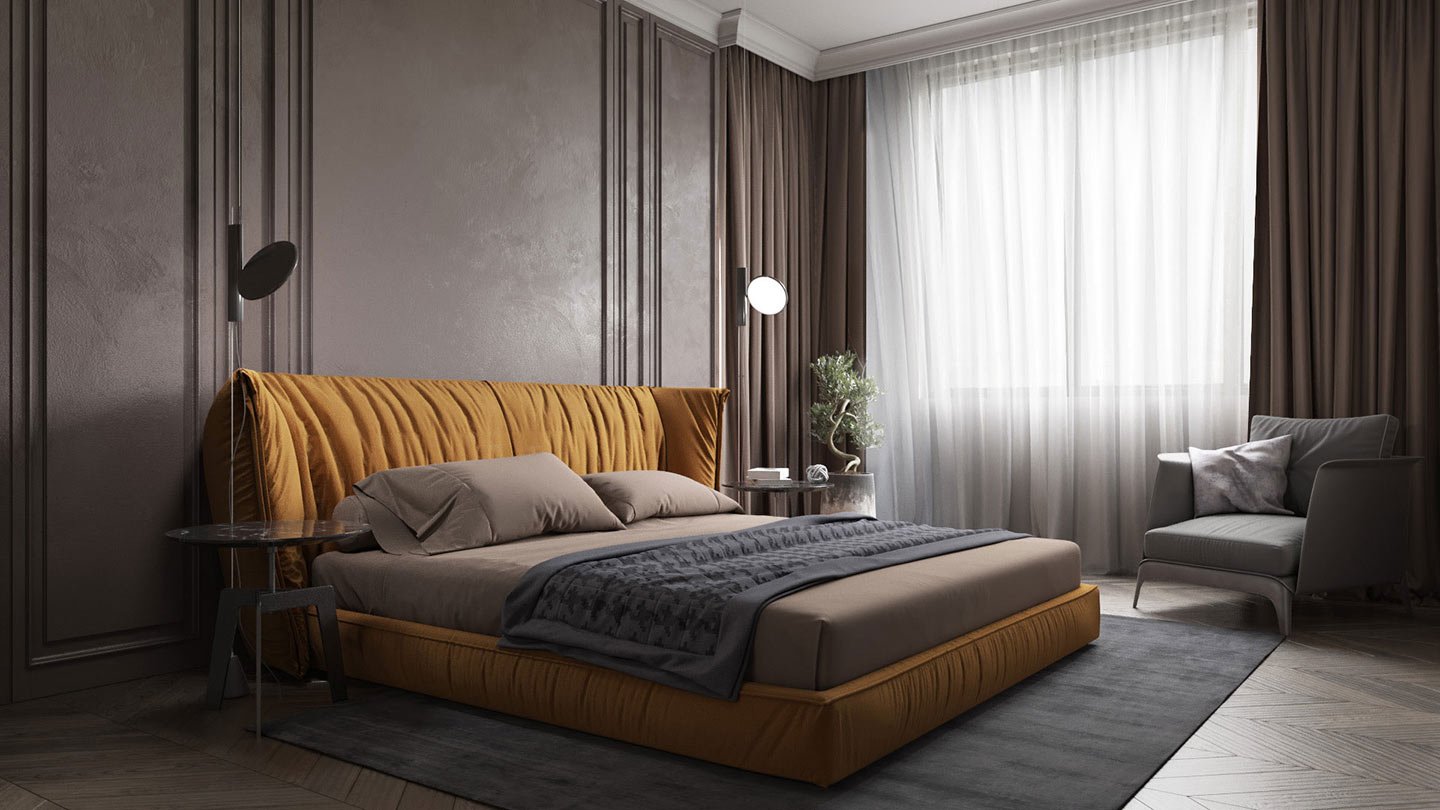
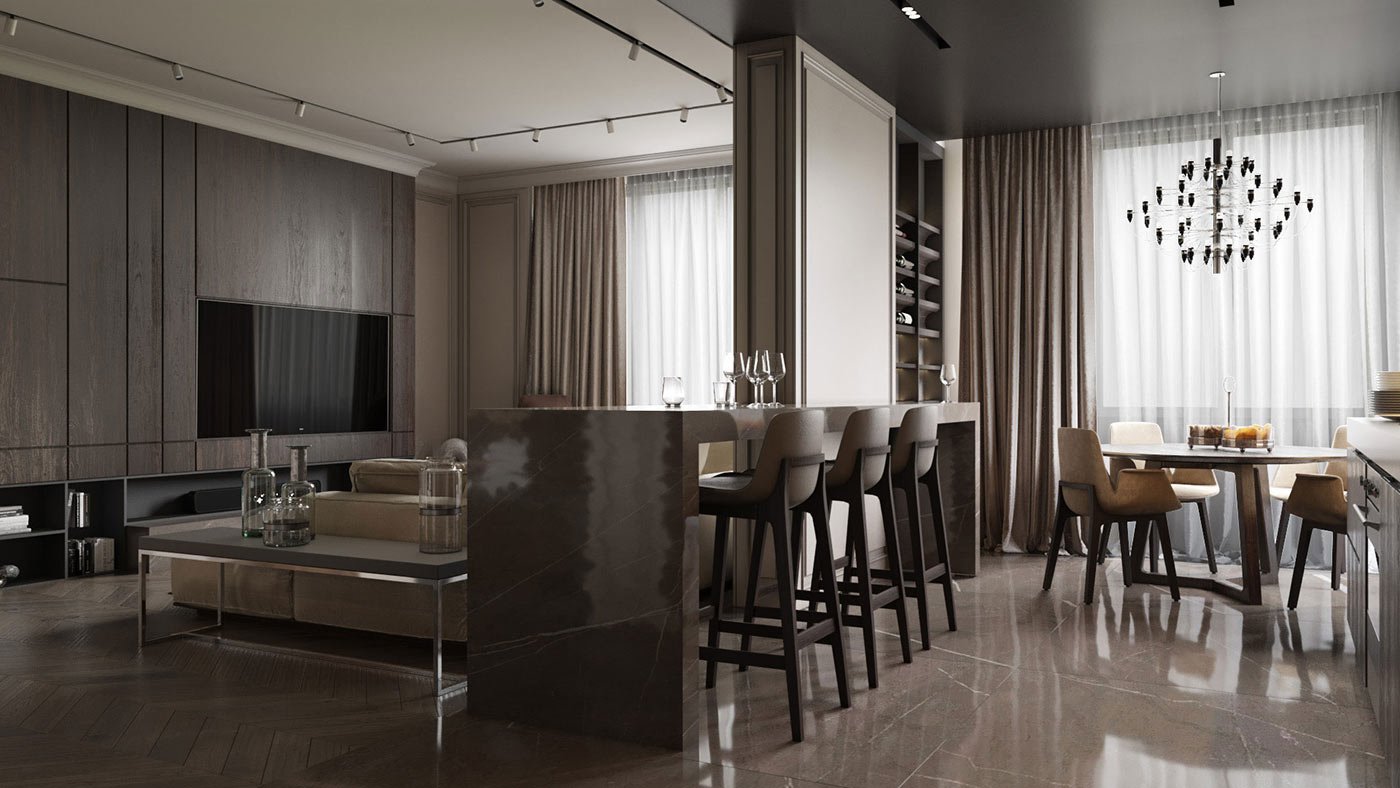
Interior design is a creative field that involves designing and enhancing the interior spaces of residential, commercial, and public buildings. It focuses on creating functional and aesthetically pleasing environments that meet the needs and preferences of the occupants.
Interior designers utilize their knowledge of design principles, colour theory, space planning, and materials to transform interior spaces into visually appealing and functional areas. They consider factors such as lighting, furniture, fixtures, textures, and accessories to create a cohesive and harmonious design.

Here are some key aspects of interior designing:
1. Space planning: Interior designers analyses the available space and plan how it can be best utilized to meet the requirements of the client. They determine the layout, flow, and organization of the space, including the placement of furniture, fixtures, and architectural elements.
2. Colour scheme: Choosing the right colour palette is crucial in interior design. Colours can evoke specific moods and emotions, and they play a significant role in creating the desired atmosphere within a space. Interior designers select colours that complement each other and align with the client’s preferences and the purpose of the space.
3. Materials and finishes: Interior designers carefully select materials and finishes that enhance the overall design concept while considering their durability, functionality, and maintenance requirements. They may choose materials such as wood, stone, glass, metal, fabric, and various other finishes to create visual interest and texture within the space.
4. Lighting: Lighting design is an essential aspect of interior design as it affects the ambiance and functionality of a space. Interior designers consider natural and artificial lighting sources, as well as the placement of light fixtures, to create the desired lighting effects and highlight specific features or areas within the space.
5. Furniture and accessories: Interior designers select and arrange furniture, fixtures, and accessories that complement the overall design concept and enhance the functionality of the space. They consider the scale, proportion, style, and comfort of furniture pieces to ensure they meet the client’s needs and aesthetic preferences.
6. Sustainability: With a growing focus on environmental consciousness, sustainable design practices have become increasingly important in interior design. Designers aim to incorporate eco-friendly materials, energy-efficient solutions, and sustainable practices to minimize the environmental impact of a project.
7. Project management: Interior designers often work in collaboration with architects, contractors, and other professionals involved in the construction or renovation process. They oversee the project from concept development to final implementation, ensuring that the design vision is realized within the given budget and timeline.
It’s worth noting that interior design is a broad field with various specializations, such as residential design, commercial design, hospitality design, healthcare design, and more. Each specialization has its unique considerations and requirements.
Overall, interior designing combines creativity, technical knowledge, and problem-solving skills to create functional and visually appealing spaces that enhance the quality of life for those who inhabit them.

Interior Designing Types
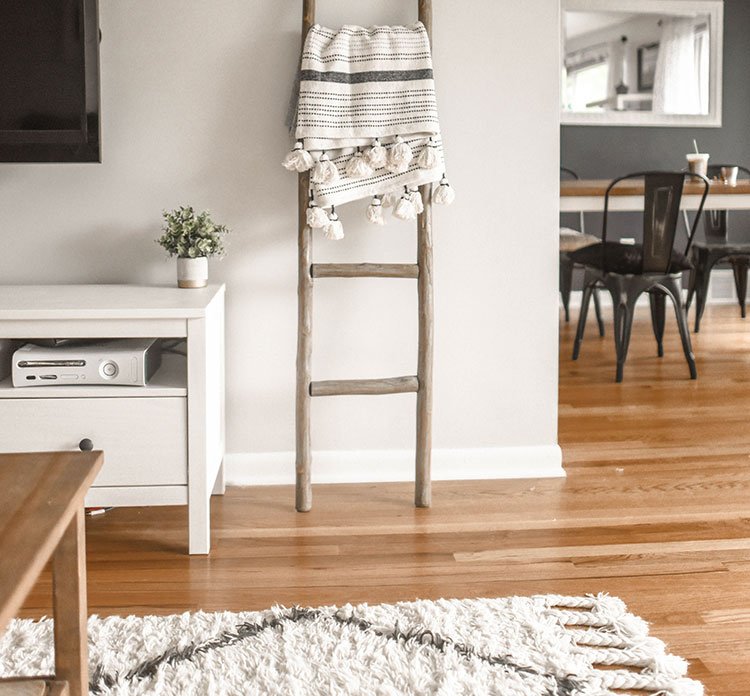
Interior design encompasses various styles and approaches to create functional and aesthetically pleasing spaces. Here are some popular types of interior design:
1. Contemporary: Contemporary design emphasizes clean lines, simplicity, and minimalism. It often features neutral coluor palettes, sleek furniture, and a focus on open spaces.
2. Modern: Modern design incorporates a similar aesthetic to contemporary design but often includes more bold and geometric shapes. It may also incorporate industrial elements and materials like concrete and metal.
3. Traditional: Traditional design draws inspiration from classic European styles. It features elegant furniture, intricate detailing, and a warm and inviting atmosphere. Rich colors, patterns, and ornate accessories are commonly used.
4. Transitional: Transitional design blends elements of both contemporary and traditional styles. It strikes a balance between classic and modern aesthetics, often combining traditional furniture with simpler lines and a neutral color palette.
5. Scandinavian: Scandinavian design originated in Nordic countries and is known for its simplicity, functionality, and use of natural materials. It features light and airy spaces, neutral colours, minimalistic furniture, and an emphasis on natural light.
6. Mid-Century Modern: This design style emerged in the mid-20th century and is characterized by its retro, vintage-inspired look. It often includes sleek furniture with organic shapes, bold patterns, and a mix of materials like wood, metal, and plastic.
7. Industrial: Industrial design takes inspiration from factories and warehouses. It features raw, unfinished materials like exposed brick, concrete, and metal. Open spaces, high ceilings, and utilitarian furniture are common elements.
8. Bohemian: Bohemian or boho design embraces a free-spirited and eclectic style. It often incorporates vibrant colors, patterns, and textures from around the world. Natural materials, vintage furniture, and an overall relaxed atmosphere are characteristic.
9. Minimalist: Minimalist design focuses on simplicity, functionality, and decluttered spaces. It features clean lines, a monochromatic or limited color palette, and a minimal amount of furniture and accessories.
10. Art Deco: Art Deco design originated in the 1920s and 1930s and is characterized by its glamorous and luxurious aesthetic. It often includes bold geometric patterns, sleek surfaces, rich colours, and lavish materials like velvet and gold accents.